purus. kitchen & living
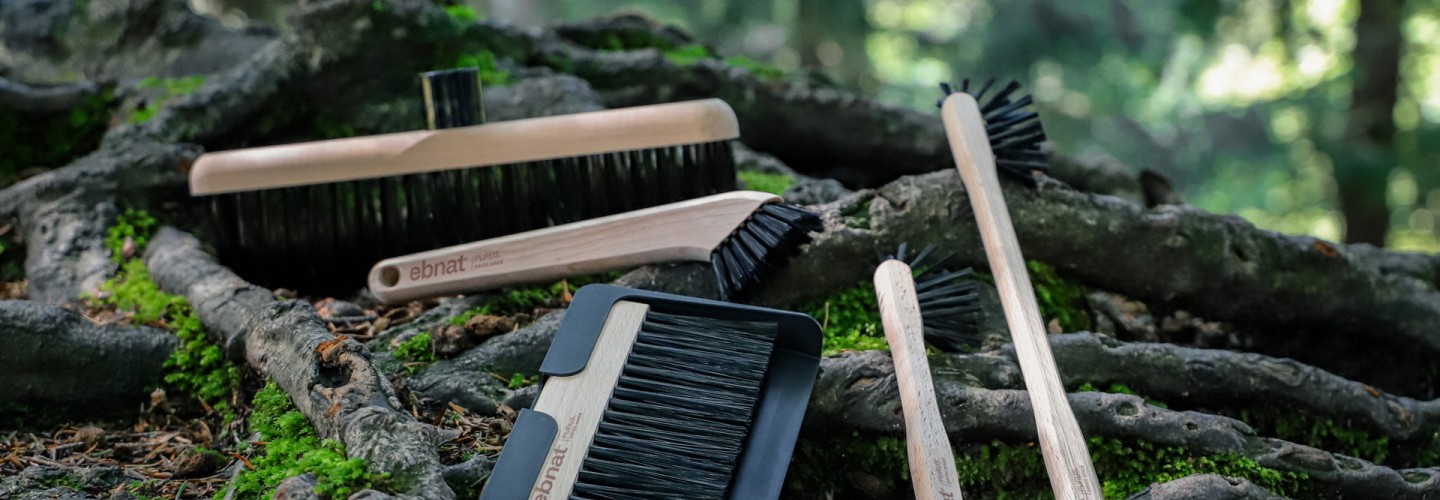
The assortment for the idealistic customer
The products are aimed at the «new» customer, who is not blinded by unnecessary «frippery» but appreciates the impudence of this assortment. A customer who cares about the environment. A customer who buys what he needs – not more, but also not less – that’s it.
Only renewable raw materials were used for this assortment. The handle is made of high-quality FSC®-certified Swiss beech wood and is equipped with bristles out of bio-based plastic. For «purus.», bio-based* means that the plastic is not derived from mineral oil but from castor oil.
Resource-saving design without sacrificing functionality
«Perfection is not reached when there is nothing more to add, but when there is nothing more to leave out.»
(Antoine de Saint-Exupéry).
This quotation guided us in the development of «purus.», as even the most sustainable materials should not be wasted. In order to save natural resources, only the most essential materials are consciously used for this assortment. We have gone to our limits, because the two components of the brushes directly influence each other. The brush bodies are designed to be as narrow as possible but just wide enough to accommodate the optimum amount of bristles. More is not needed, but less is also not possible.
Customers expect unlimited functionality from Ebnat.
«purus.» meets these expectations despite its resourcesaving design.

purus.
Added value
100% biobased
0% mineral oil
vegan materials
All handles are made from untreated, FSC®-certified Swiss beechwood.
Branding without ink thanks to modern laser technology
purus
purus. kitchen
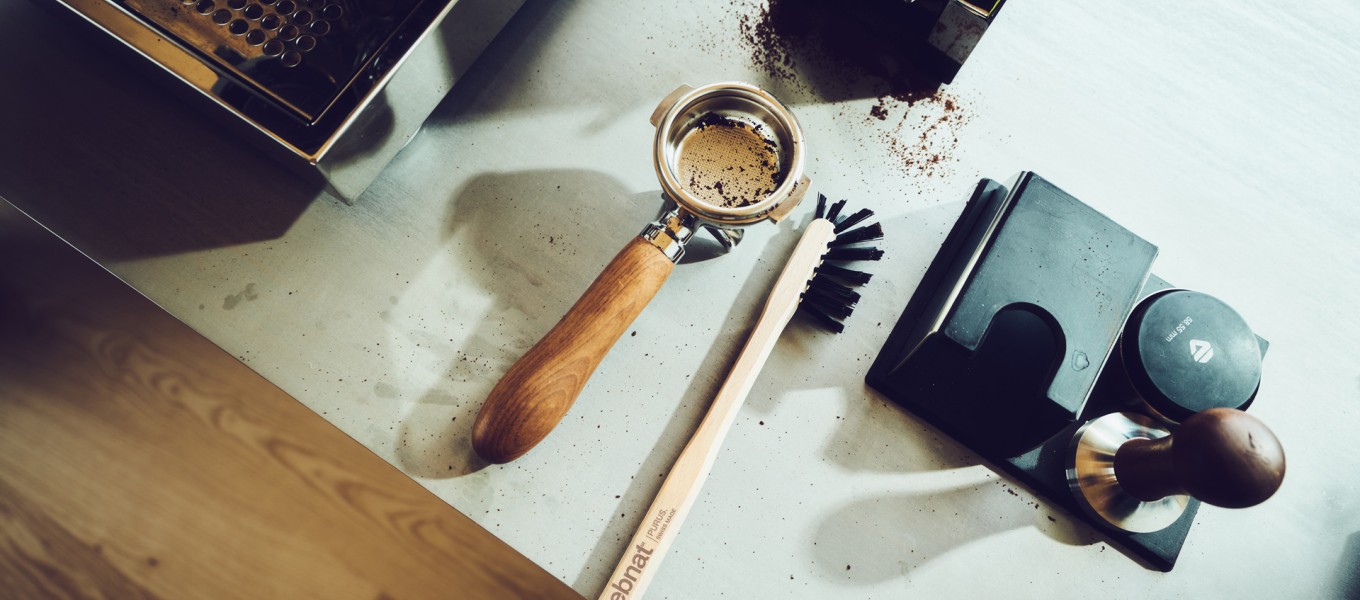
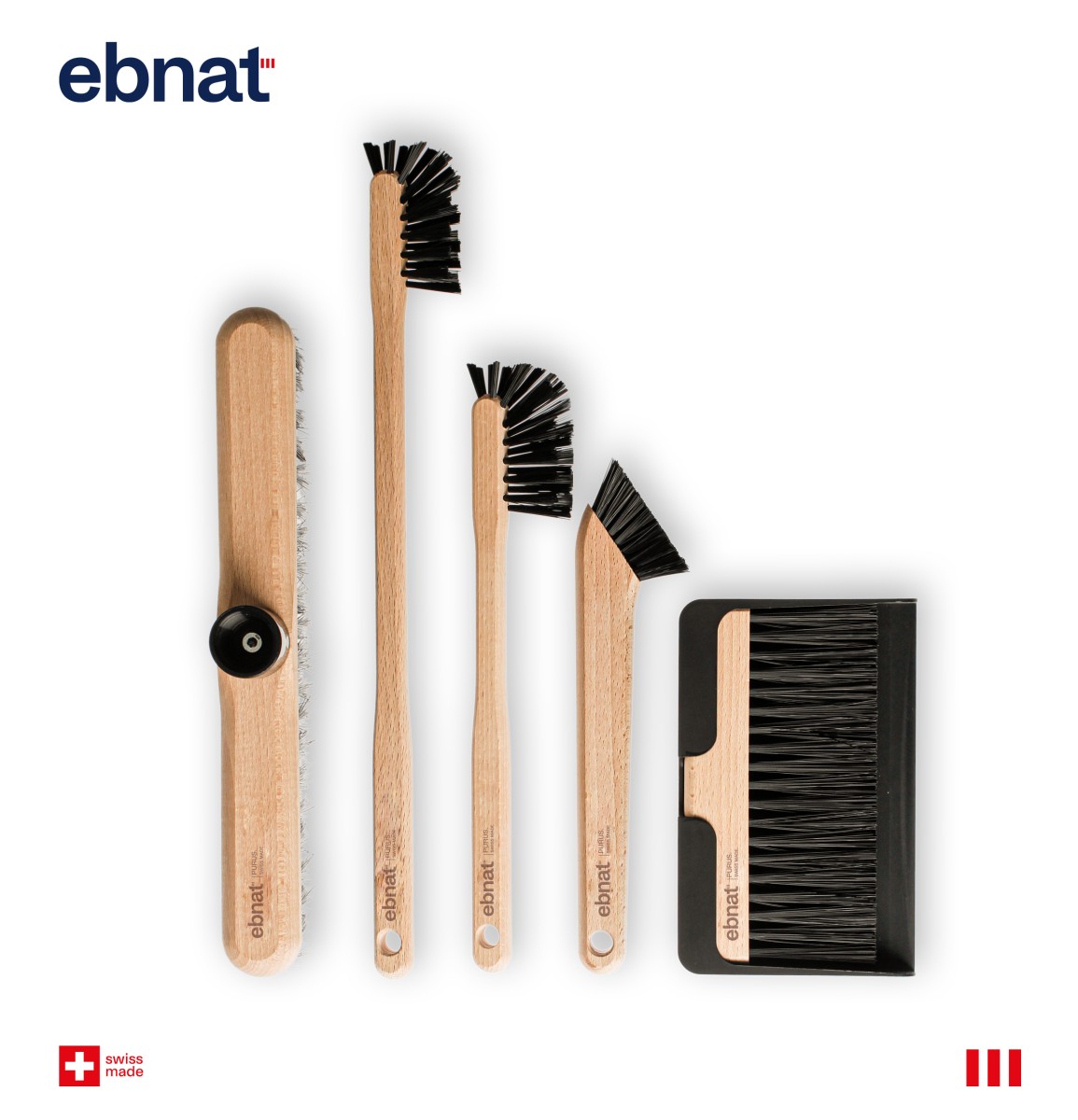
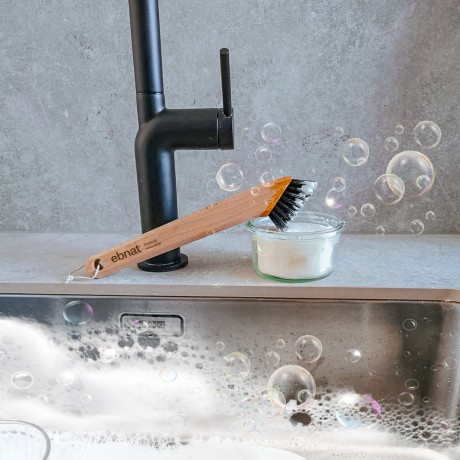
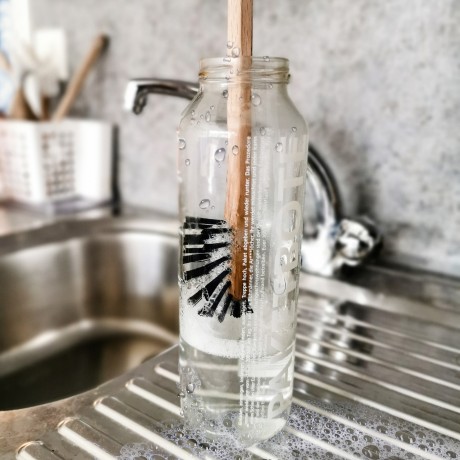
Bottle brush: narrow, long handle ideal also for bottles with very narrow necks
Glass brush: with extra soft bristles ideal for cleaning champagne, wine and drinking glasses
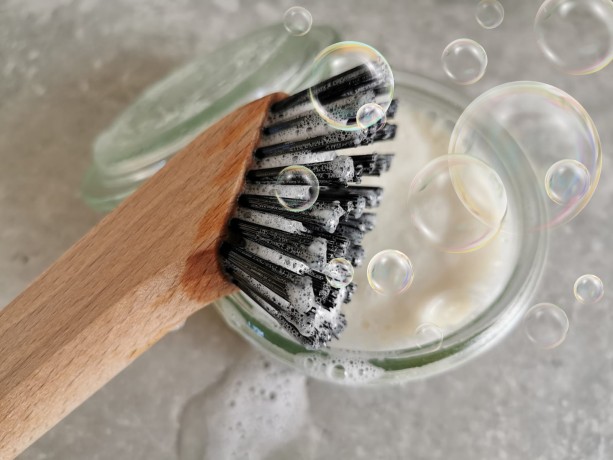
sophisticated bristle cut for optimal cleaning in hard-to-reach places
Dish brush: the ergonomic shape allows for optimal pressure application and lies comfortably in the hand
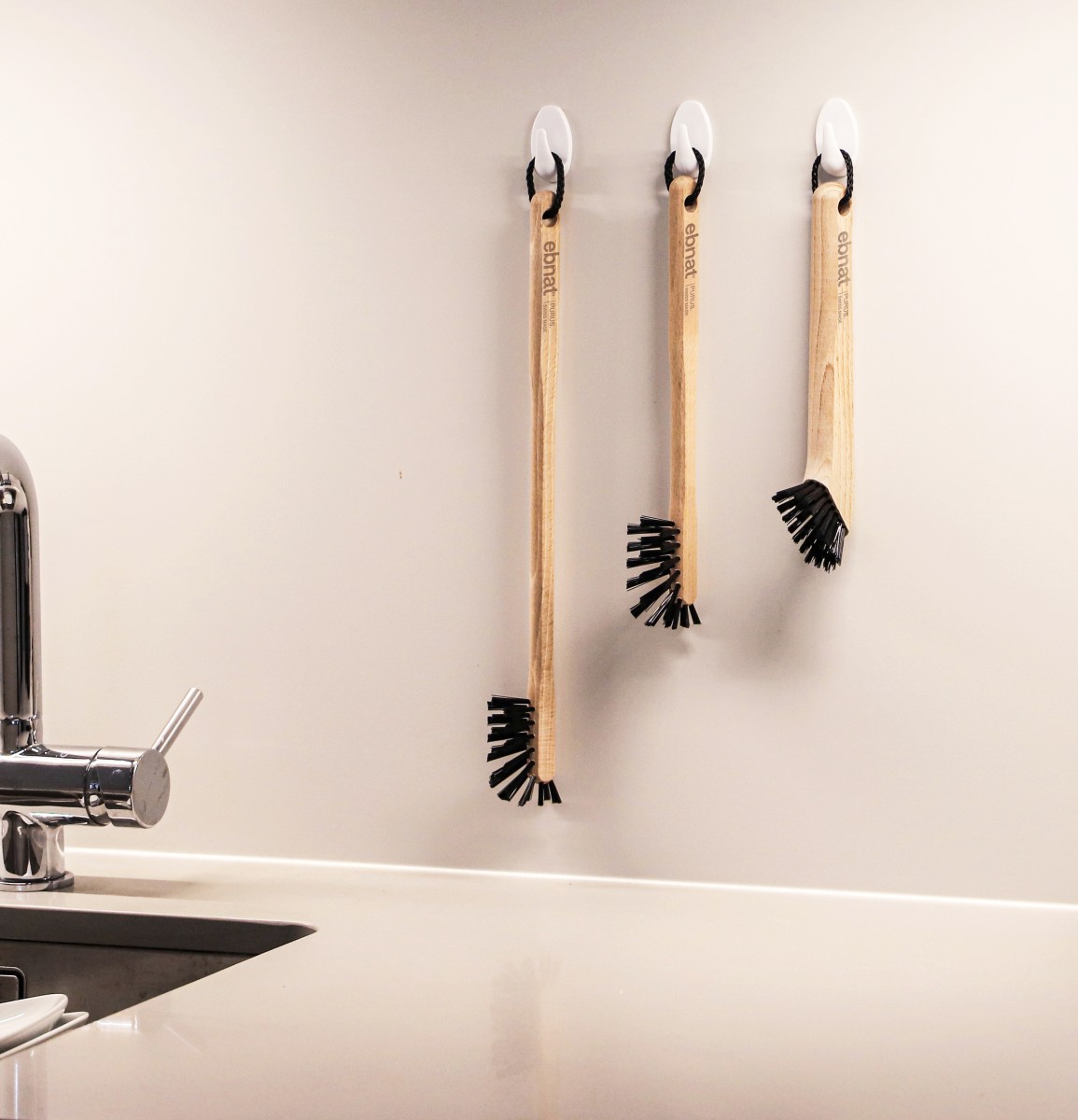
Convenient hanging hole on all products in the purus. kitchen range
purus
purus. living
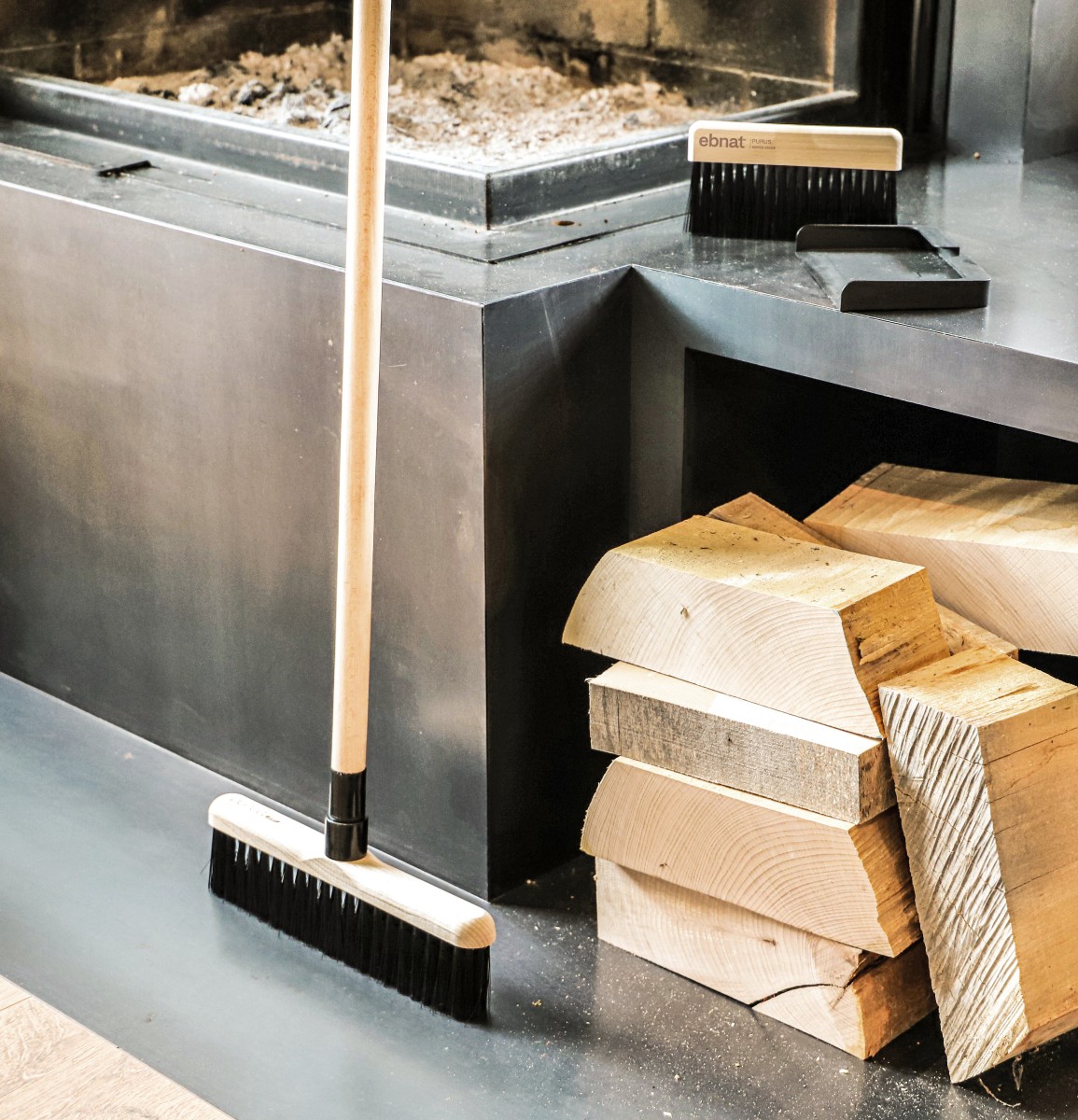
Space-saving and functional
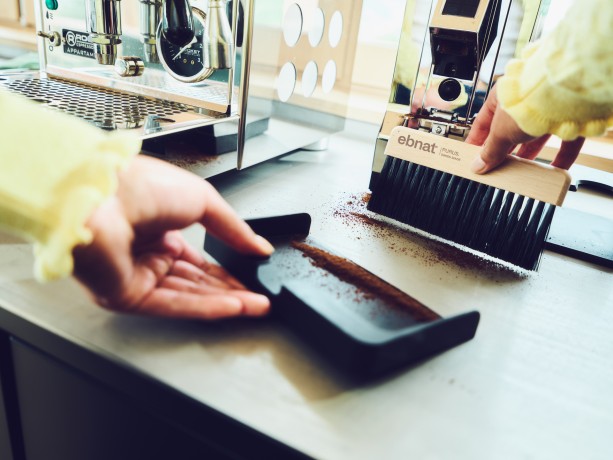
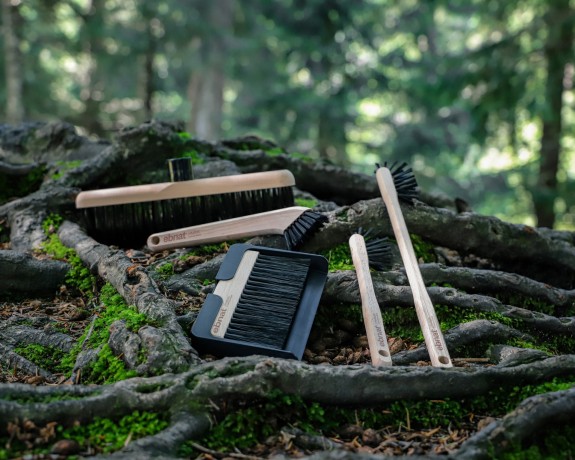
Broom attachment for clipping onto the dustpan
Compact floor mop
Ideal for tiny houses and camper vans

purus. - Your questions, our answers
What material is the handle of the purus. brushes made of?
What are the bristles of the purus. brushes made of?
What does "bio-based" mean at purus?
Why is plastic and not plant fibres used for purus.?
Is that really true - "100 % bio-based, 0 % mineral oil"?
How do I correctly dispose of a purus. brush?
The following two disposal options are available:
1. The complete brush is disposed of in the residual waste*.
2. The brush head is separated from the wooden handle (e.g. with a saw). The head goes in the residual waste*, the wooden handle can be incinerated or - depending on the municipality - disposed of in the green bin** (our recommendation).
Burning the handle is unproblematic as the wood has bound CO₂ during growth.
ATTENTION:
Waste disposal is different all over the world, so we can only provide information valid for Switzerland here. Find out how disposal works in your country.
*Residual waste: In Switzerland, residual waste is incinerated in one of 30 waste incineration plants in an environmentally friendly manner. The heat generated is used for heating purposes and to generate electricity. (Source: https://vbsa.ch/anlagegruppen/kva/).
**Green bin: In Switzerland, each municipality has different rules on what can be thrown in the green bin. It all depends on the composting plant. Consult the waste information sheet of your municipality.